Quick answer
Equipment sale and leaseback means selling machinery, vehicles or other gear you own to a financier, then leasing it back so you keep using it. The cash from the sale goes into the business, and you make lease payments for the term. Because the financier owns the asset, a weak credit file matters less. It suits businesses with valuable, unencumbered equipment and steady income, but you give up ownership until the lease ends.
Key points
- You sell owned equipment to a financier and lease it straight back, so work carries on.
- The equipment's resale value, not your credit score, drives how much is released.
- Check the PPSR for existing security interests before you start.
- Compare it with a property-secured or cash-flow loan, which leave ownership with you.
- Works on
- Owned, unencumbered vehicles and machinery
- Driven by
- Resale value of the equipment
- You give up
- Ownership for the lease term
- Alternatives
- Property-secured or unsecured cash-flow loan
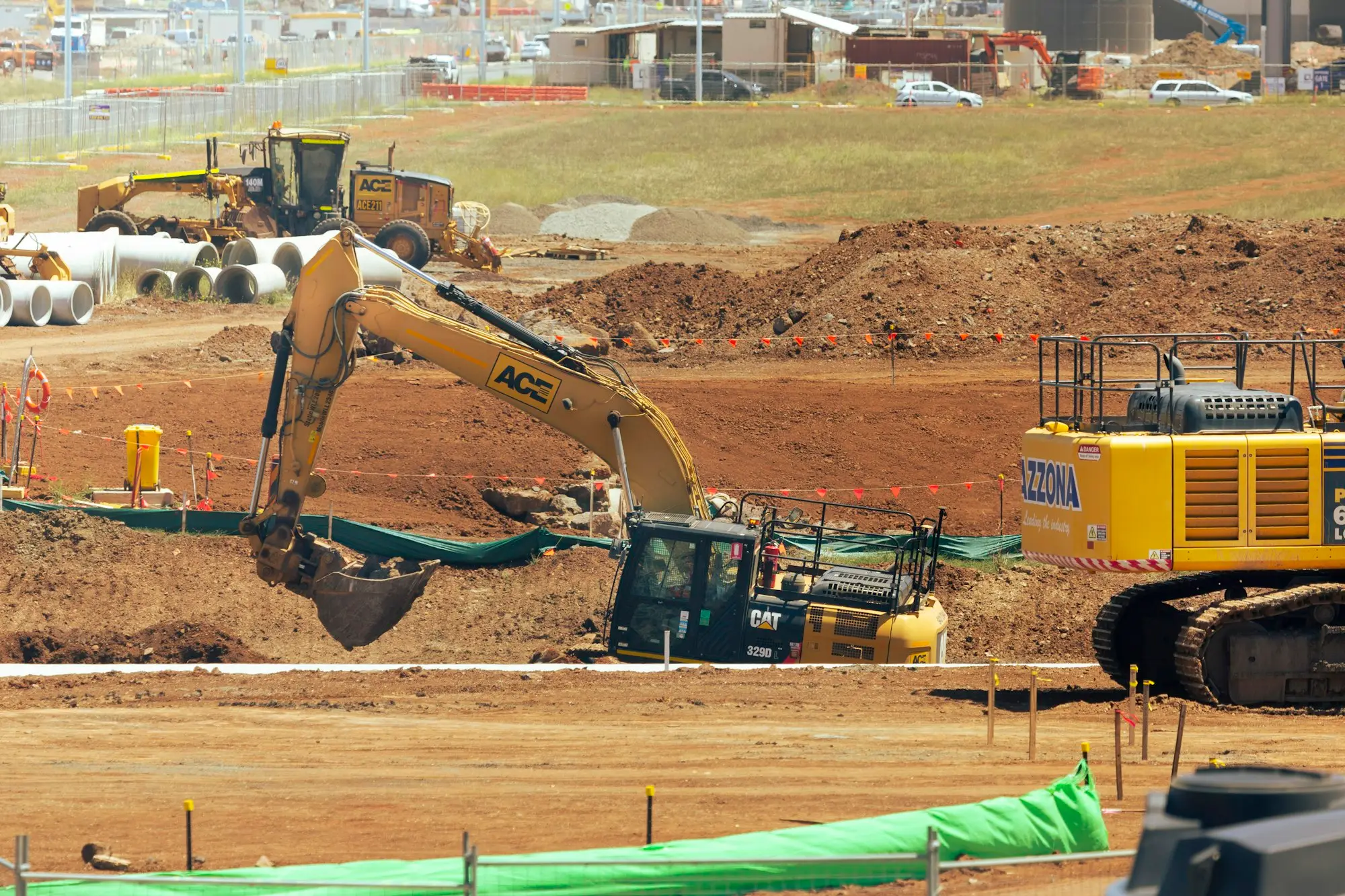
Plenty of hard-working businesses have their value parked in the yard: a truck paid off two years ago, an excavator owned outright, a fleet of utes with no finance left. When the bank says no and there’s no property to offer, that equipment is still an asset a financier can rely on. Sale and leaseback is one way to turn it into working capital without taking it off the job.
How does equipment sale and leaseback work?
- Valuation. The financier assesses what the equipment would fetch on the second-hand market.
- Sale. You sell the equipment to the financier, usually for an amount linked to that valuation.
- Lease back. You sign a lease for a fixed term and keep using the equipment exactly as before.
- Cash in. The sale proceeds go to the business (or straight to creditors you’re paying out).
- End of term. Depending on the agreement, you may buy the equipment back, extend, or return it.
business.gov.au describes leasing simply: “you rent the vehicles or equipment from a leasing company that owns them.” Sale and leaseback just starts with you selling the equipment to that company first.
Who does this route suit?
| Good fit | Poor fit |
|---|---|
| Valuable equipment owned outright | Equipment with large existing finance |
| Assets with a strong resale market | Specialised gear with few buyers |
| Steady income to meet lease payments | Seasonal income with long empty months |
| No property available as security | Property available with equity (often cheaper) |
The key comparison is with lending that leaves ownership with you. If you or a family member own property, a property-backed loan may release more and keep the equipment yours. If deposits are steady, an unsecured cash-flow loan may do the job without selling anything.
Not sure which is better for your yard? Ask a specialist for a straight comparison.
What will the financier ask for?
- An asset list with make, model, year, hours or kilometres, and serial or VIN numbers.
- Proof of ownership, such as purchase invoices and registration papers.
- A PPSR search to show the equipment is free of other security interests, or payout letters for any that exist. The PPSR is the national register of security interests in personal property, run by the Australian Financial Security Authority.
- Business bank statements to show the lease payments are affordable.
- Photos or an inspection, especially for heavy machinery.
What are the trade-offs?
You no longer own it. For the lease term, the financier owns the asset. If payments stop, it can take the equipment back, and with it your ability to do the work.
Total cost. Lease payments over the term will add up to more than the cash released. Ask for the total of all payments plus any residual, in dollars, so you can compare it with a loan.
Tax and accounting. Selling and leasing back changes how the asset is treated in your accounts. Talk to your accountant before signing.
End-of-term terms. A buy-back option at a known price is very different from handing the keys back. Know which one you’re signing.
Questions to ask any leaseback financier
Before signing, get clear written answers to these:
- What value have you placed on each item, and how was it worked out?
- What is the total of all lease payments over the term, in dollars?
- Is there a residual or balloon at the end, and how much?
- Can I buy the equipment back early, and what would that cost?
- What happens if a machine is written off or needs major repairs during the lease?
- Who insures the equipment, and who pays for it?
- What happens to any existing security interest on the PPSR?
If a financier can’t answer these clearly, that tells you something too.
Does sale and leaseback suit seasonal businesses?
It can, but care is needed. Lease payments usually fall due monthly regardless of the season. If income arrives in a few strong months, ask whether payments can be structured to match, or keep a cash reserve from the sale proceeds to cover the quiet stretch.
How does a leaseback end?
At the end of the term you either buy the equipment back, roll into a new arrangement, or return it. Some owners exit early by refinancing with a property-secured or cash-flow loan once their file improves. If the plan is to sell equipment you no longer need, the asset-sale exit covers how to time it.
A worked comparison, illustrative only
A transport operator owns two prime movers outright and needs about $150,000 to clear overdue fuel accounts and a tax debt. Option one: sale and leaseback on the trucks. Cash comes from the trucks’ value, and the operator pays a lease for the term. Option two: the operator’s partner has equity in a home and is willing to guarantee a property-secured loan. The trucks stay owned, but the home becomes security. Option three: deposits are strong enough for an unsecured loan of part of the amount, with the rest from a leaseback on one truck. None is automatically best; each moves risk to a different place. That’s why we split requests across secured and unsecured when it helps.
Want a straight answer on your equipment?
If you’ve got valuable gear and a stubborn credit file, you have more options than the bank’s letter suggests. Asking us doesn’t involve a credit check, and your details aren’t passed around a list of lenders. A real specialist will look at the whole picture, including whether a loan beats a leaseback, and call you. Fill in the form accurately, mentioning any property and the equipment you own, so we can compare the routes properly. See what’s possible.
Frequently asked questions
Can I do a sale and leaseback with bad credit?
It's one of the more forgiving routes, because the financier owns the asset and can recover it if payments stop. Financiers still check credit and bank statements, but equipment value carries much of the decision.
What equipment works for sale and leaseback?
Assets with a reliable second-hand market tend to work best: trucks, trailers, excavators, forklifts, utes and common production machinery. Highly specialised or heavily customised equipment is harder because it's difficult to resell.
Do you arrange sale and leaseback?
Our lending is property-secured or cash-flow based. We explain sale and leaseback because it's a genuine option for some owners. If a property-secured or unsecured loan suits your situation better, we'll say so; if it doesn't, we'll be straight with you about that too.
What happens at the end of the lease?
That depends on the agreement. Some include an option to buy the equipment back for a residual amount; others return it to the financier. Read the end-of-term terms carefully before signing.
Does existing finance on the equipment rule it out?
If the equipment already has finance registered against it on the PPSR, that finance must be paid out as part of the sale. It can still work, but less cash is released.